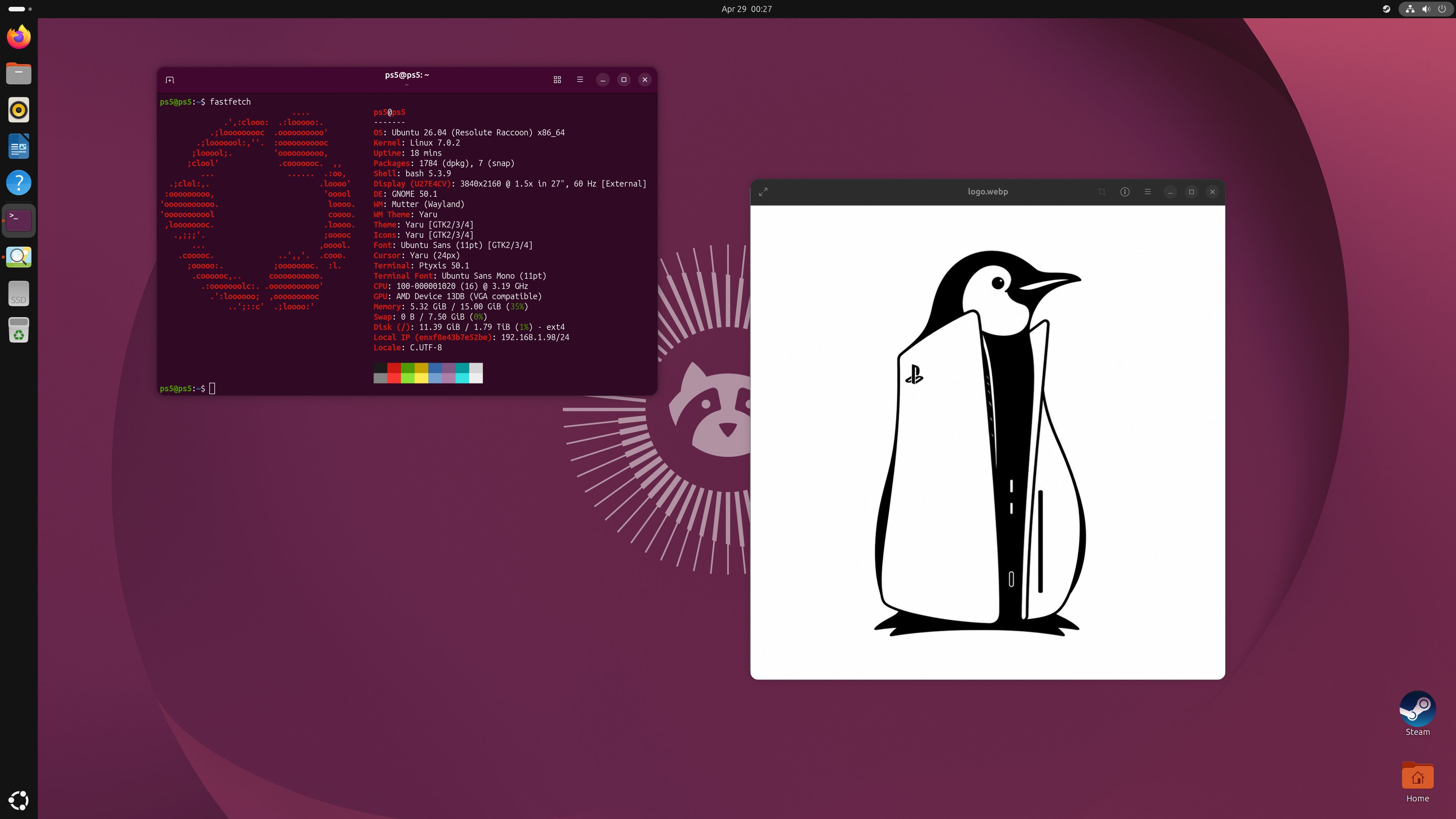
Modern console modification differs substantially from earlier hardware generations. During the PlayStation 3 era, hardware cold-boot vulnerabilities allowed direct flash inspection. The PS5 operates on hardware-enforced cryptographic boundaries. As Hackaday documented during research into booting alternative systems, Sony's custom silicon isolates the hypervisor from normal operating system routines.
The system enforces hardware-level code signing. Without a chained vulnerability that compromises both user space and kernel space before subverting the hypervisor, custom firmware cannot execute. Even if a sealed unit boots to an older version like 4.03, stability varies wildly across different hardware builds.
Modern entry points remain notoriously sensitive. A user attempting to preserve a low firmware version must permanently cut off network connectivity. Connecting to the PlayStation Network for game updates, streaming services, or online infrastructure immediately triggers a mandatory system update prompt. Offline enthusiasts face modern game decryption keys that refuse to load on deprecated firmware builds, reducing the machine to an expensive, highly fragile testing platform.