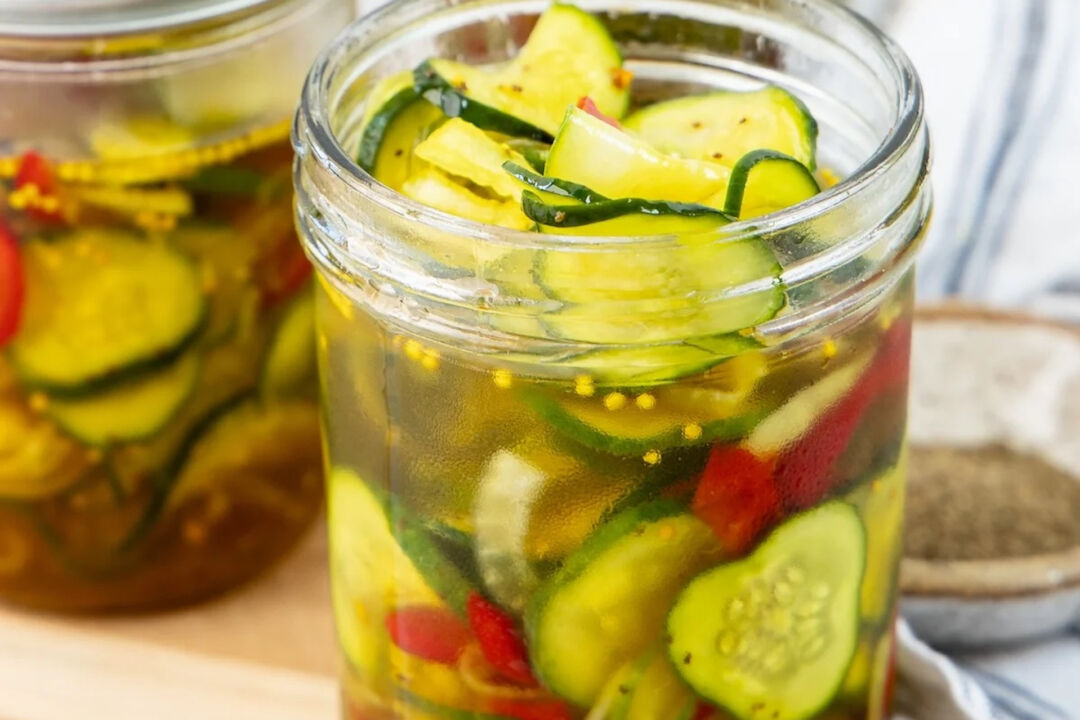
The moniker sounds pastoral, almost whimsical, but its roots lie in economic survival. During the early 1920s in northern Illinois, cucumber farmers Omar and Cora Fanning faced a chronic agriculture problem: end-of-season field runoff. Thousands of undersized, misshapen cucumbers were rejected by commercial packing houses that demanded uniform pickling specimens.
Rather than letting the discarded crop rot, the Fannings sliced the runts into rounds, brined them with cheap garden onions, and simmered them with vinegar, sugar, and whole spices. They took the jars to local grocers, bartering them directly for household essentials, predominantly flour, fresh bread, and churned butter. By 1923, the couple officially registered the trademark name "Fanning's Bread and Butter Pickles."
The product became a Depression-era staple. Families layered the inexpensive chips directly between slices of buttered bread to make budget-friendly sandwiches that offered flavor without meat. What began as a resourceful way to salvage field culls transformed into an essential American flavor identity, eventually transitioning into mainstream commercial production by the mid-20th century.