Jesse Cole built the Bananas brand on a radical direct-to-consumer philosophy: no convenience fees, no corporate stadium naming rights, and zero wholesale distribution to big-box department chains. That philosophy kept profit margins intact during the franchise's early years, but the current cross-country tour has stretched the model to its limits. Managing inventory inside a historic 4,000-seat minor league ballpark requires a modest stockroom; outfitting a sold-out weekend at an NFL or SEC venue demands an industrial shipping operation.
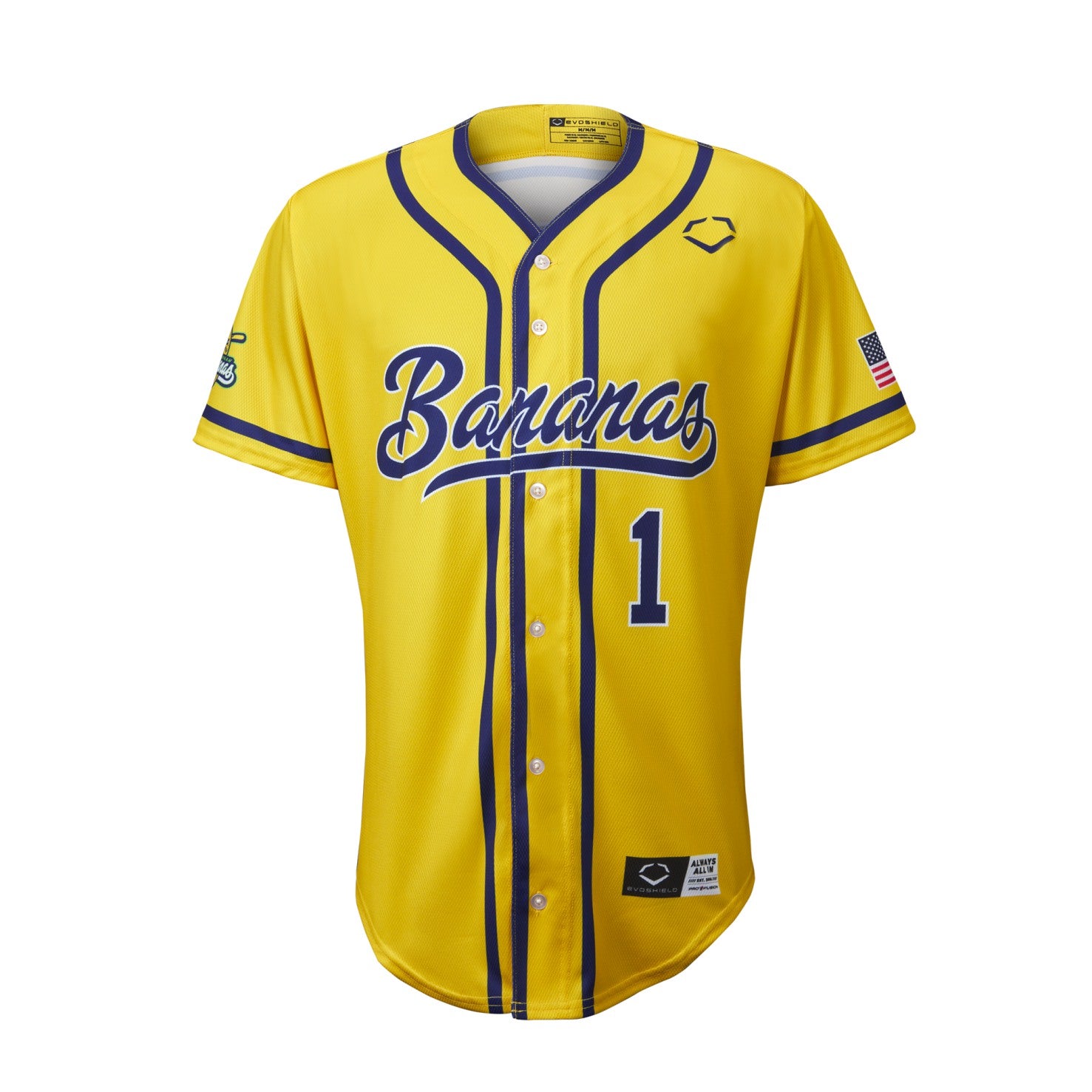
The front office rejected traditional retail partnerships with Dick’s Sporting Goods or Fanatics to maintain strict control over quality, pricing, and visual presentation. Every stitch of Banana Ball apparel originates from internal distribution pipelines, passing straight through the authentic team store website or traveling tour haulers. This insular strategy protects the brand identity from dilution, yet it exposes the club to severe supply pinches whenever tour dates align in high-population markets.
Supplying these events requires fleets of dedicated freight trailers moving parallel to the team's performance bus. When weather delays transit or supplier shipments run behind schedule, the stadium inventory can disappear within two hours of gates opening. The resulting scarcity has fueled frantic buying sprees, where fans routinely max out item transaction limits to secure gifts for family members back home.