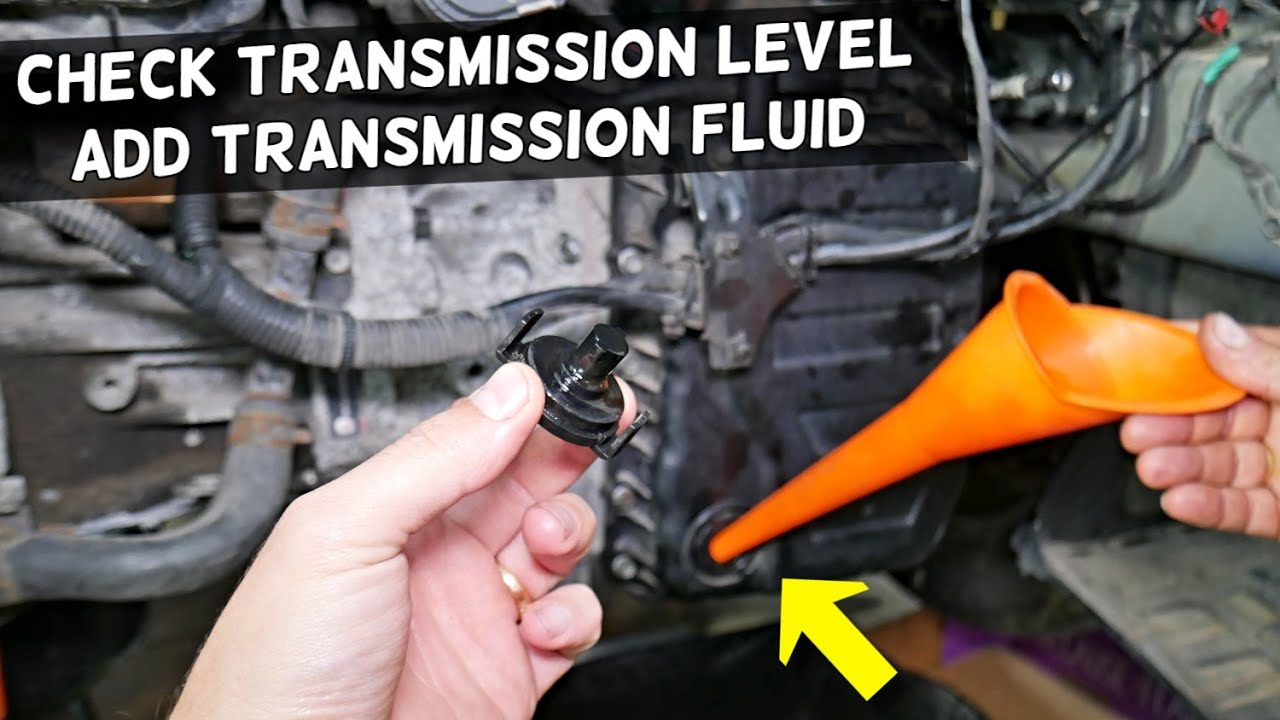
Modern vehicle architecture places the engine oil pan and the transmission fluid pan mere inches apart beneath flat aerodynamic belly pans. In fast-paced quick-lube bays where corporate quotas demand seven-minute turnarounds, pit technicians working in dim basements repeatedly make a lethal error. They unbolt the transmission drain plug, collect six to eight quarts of red fluid, and assume it is dirty motor oil. Upstairs, a second technician dumps five quarts of fresh synthetic oil into the engine without checking the dipstick.
The vehicle drives off with double the required engine oil and a completely bone-dry transmission. Within minutes, the hydraulic pump starves. Clutches slip violently, friction material strips away from steel backing plates, and extreme heat generates irreversible torque converter damage. By the time the check engine light illuminates on the dashboard, internal bearings have melted.
Automakers bear partial responsibility for this epidemic. In pursuit of minor assembly-line cost reductions and proprietary dealer service retention, manufacturers have systematically eliminated under-hood transmission dipsticks. Drivers assume their transmissions are permanent "sealed for life" assemblies requiring zero intervention. In engineering reality, no fluid survives heat cycles forever, and missing dipsticks simply blind owners to catastrophic fluid loss until metal meets metal.