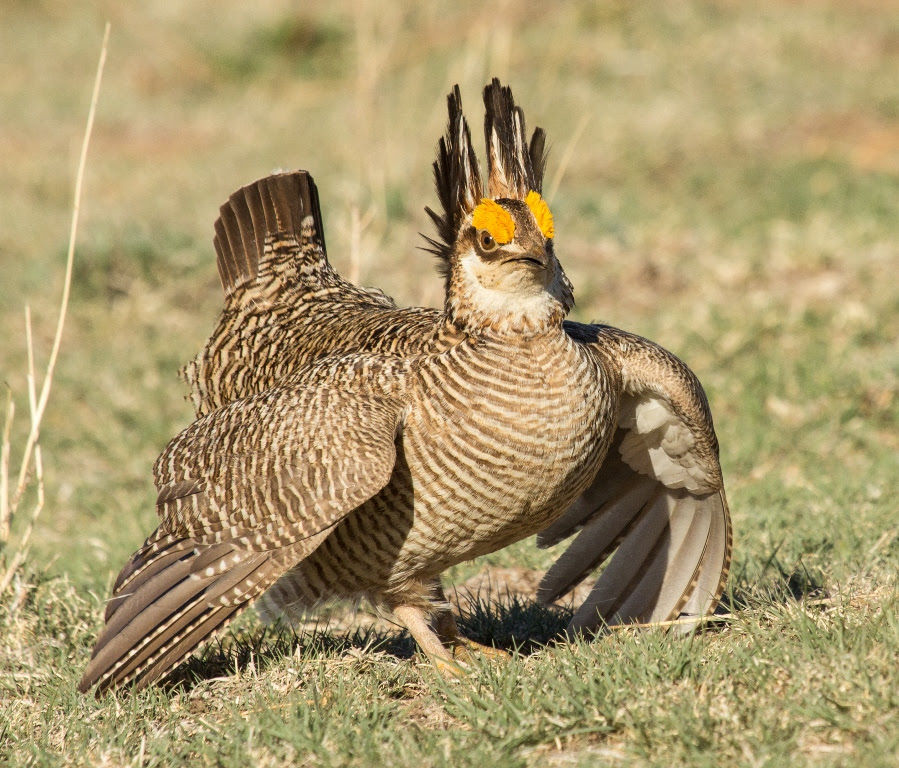
The tension between avian phylogenetics and environmental survival exposes a major flaw in contemporary environmental law. The Endangered Species Act was drafted in 1973, an era when morphology reigned supreme. A species was determined by preserved museum skins, beak dimensions, and plumage coloration.
Genomics operates on an entirely different plane:
- Species are processes, not fixed monuments. Divergence happens along a spectrum. Declaring two birds "separate species" or "mere regional variants" often depends on where an individual researcher sets their statistical threshold.
- Local adaptations vanish before taxonomic lines break. Even if lesser and greater prairie-chickens share 99.8% of their functional genomes, the tiny fraction that differs regulates heat tolerance, drought survival, and specialized courtship signals essential for survival in dry rangeland.
- Legal vulnerability scales with taxonomic lumping. Merging regional populations under broad species umbrellas routinely strips local populations of critical federal resources, prioritizing continental numbers over localized survival.
If the American Ornithological Society formally reclassifies the lesser prairie-chicken as a subspecies of Tympanuchus cupido, energy developers and ranching conglomerates gain substantial legal ammunition to challenge lingering state-level conservation easements.