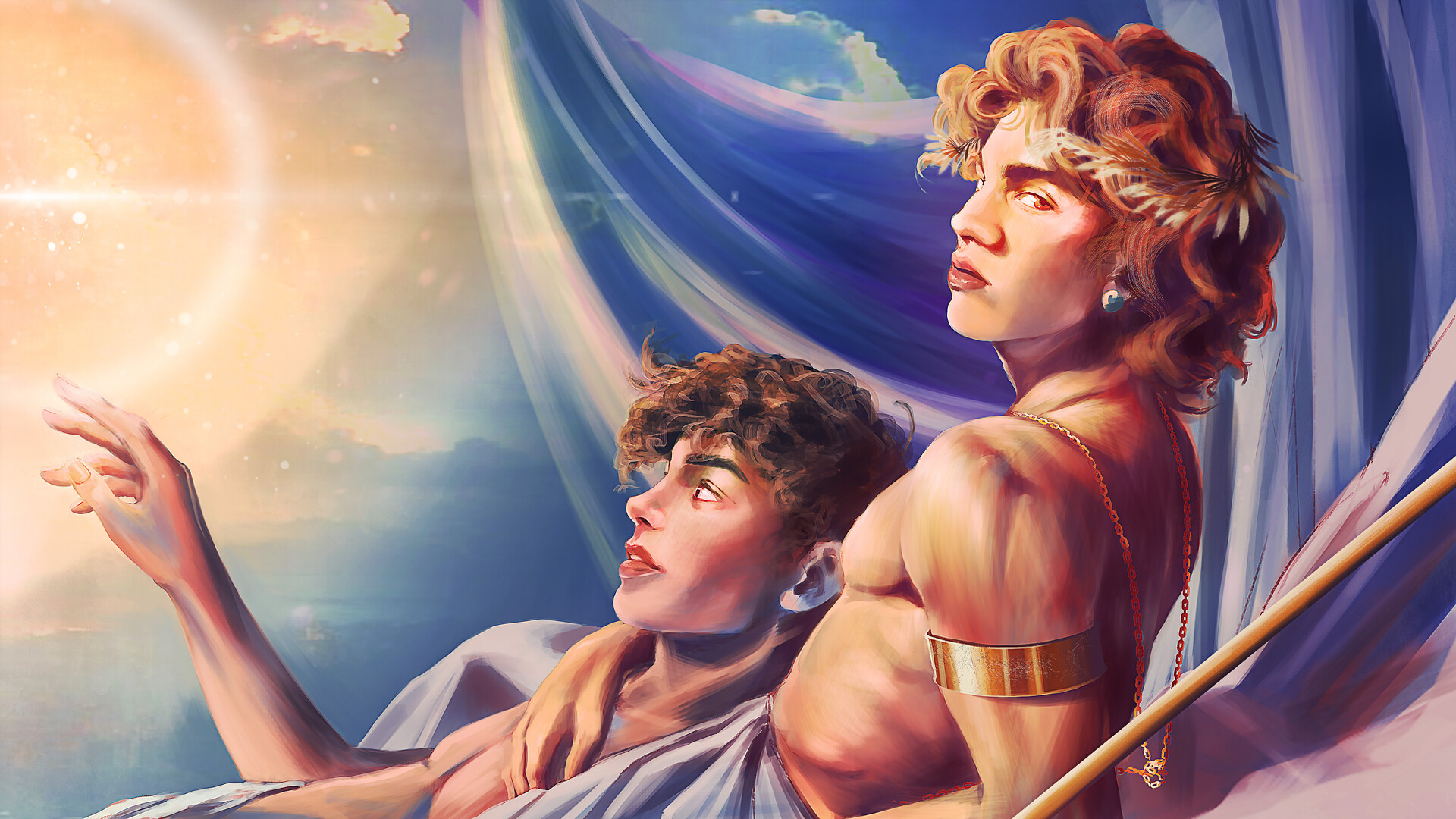
Every retelling must resolve a central dramatic problem: who bears the blame? In pure Ovidian verse, Apollo’s guilt is paramount because the god cast the disc himself. He must live with knowing his own arm propelled the weapon that crushed his lover's skull. Yet dramatic literature continually returns to Zephyrus to excavate the darkest corners of romantic entitlement.
Zephyrus represents the bystander who believes affection can be commanded. When Hyacinthus chose Apollo, the wind god’s affection morphed into malice. Modern theatrical adaptations seize on this triangle to critique toxic possessiveness. On stage, Zephyrus becomes an archetype of the jilted lover who destroys what he cannot possess, weaponizing nature itself.
The wind is invisible. That quality makes Zephyrus an extraordinary device for lighting and sound designers. In black-box settings, directors do not need elaborate wind machines. A sudden shift in acoustic pressure, an eerie vocal hum, or a stark spotlight snapping off can signal Zephyrus's lethal intervention. The mortal prince drops, and the invisible culprit retreats into the atmosphere, completely immune to mortal justice.